Tools
- Ace Paint Color Visualizer
Supplies
Reasons to Choose Exterior Paint Color
- Add an eye-catching personal touch to your home.
- Accent trim, doors, shudders, and other architectural details.
- Refresh and protect your siding instead of replacing it.
- Add curb appeal to your home.
Choose the Correct Exterior Paint Formulation
Your home’s exterior is exposed to a variety of harsh conditions, including sun, wind, rain, snow, and ice. It’s important to use a high-quality, durable exterior paint that will stand up to the elements. Your local Ace has many quality options to choose from at different price points to suit any budget.
How to Choose an Exterior Paint Color
Step 1 Complement Existing Colors
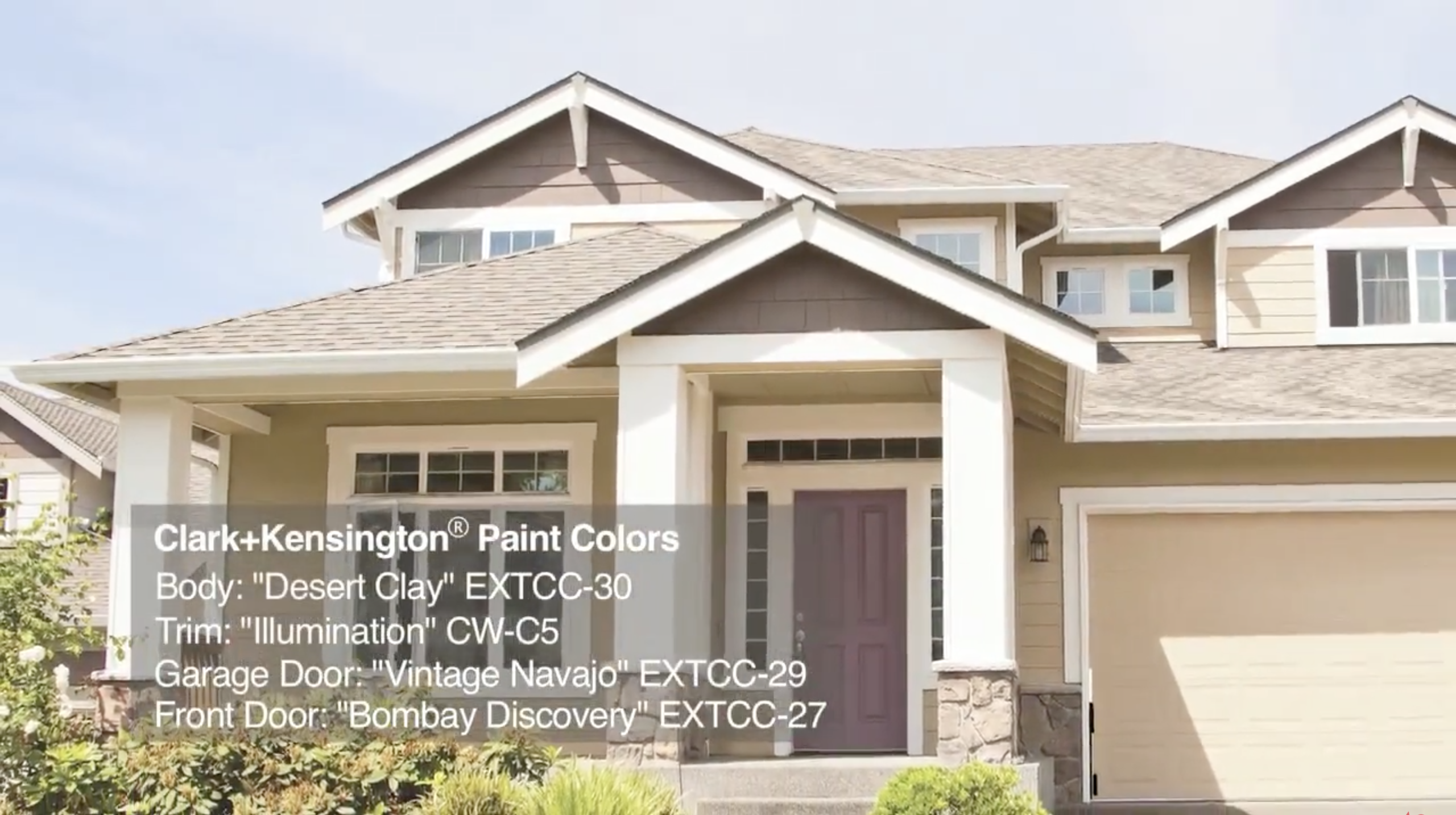
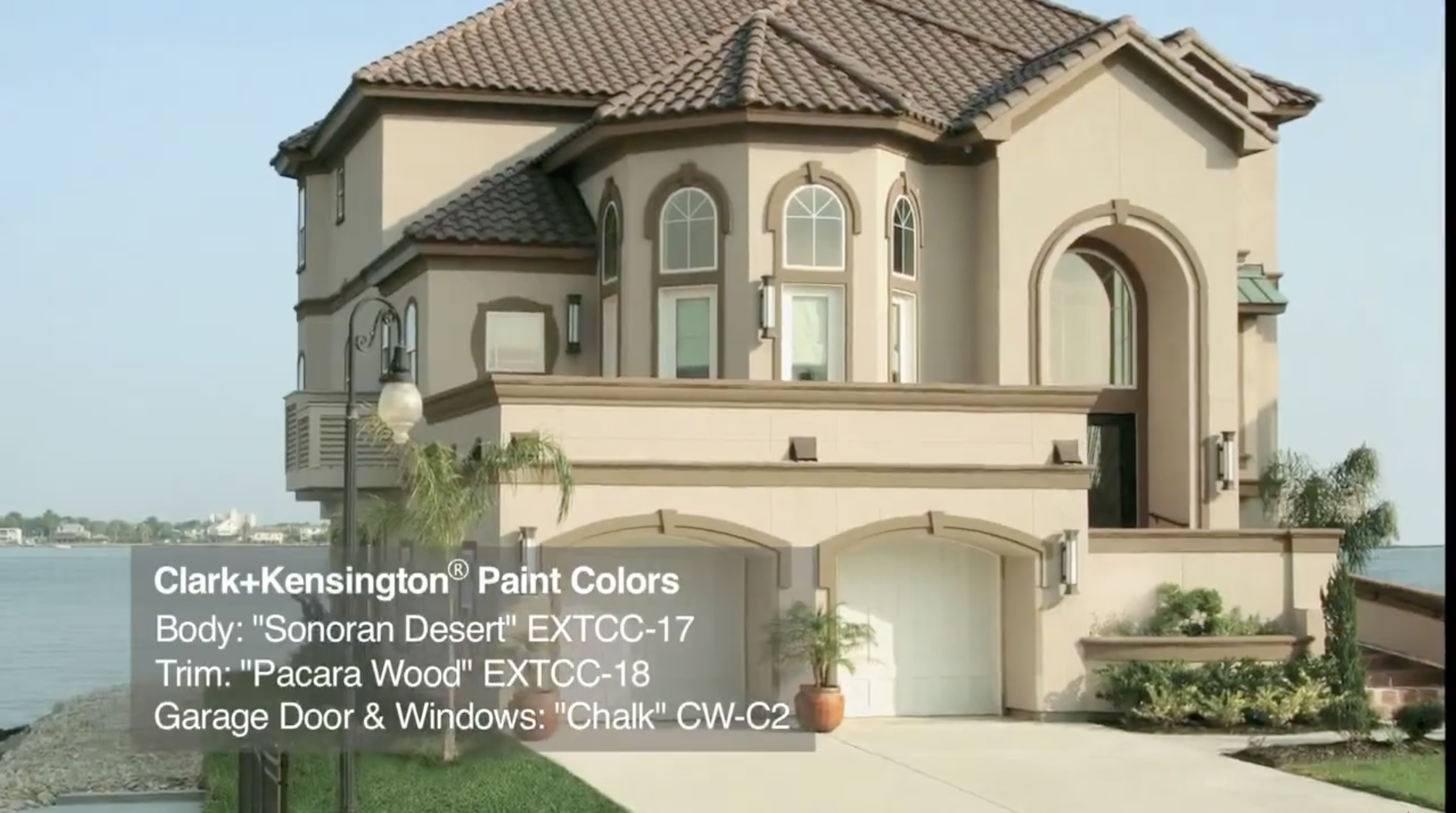
The new color you choose needs to work with the existing colors of your home that you are not going to change, such as your roof color and any decorative stone or brickwork. If your roof has earthy tones, like a red terra cotta tile or a brown shingle, a warm-tone neutral will look better than a cooler gray one. On a home with a black-colored roof, cooler tones of blue or gray would work better than brown.
Step 2 Consider the Region and Architectural Style
Draw color inspiration from the surrounding landscape or even other homes in your neighborhood. Earth tones that are specific to your region are often a good choice. Bright, sunny pastels echo the beachy sunsets and tropical flowers of a region like Florida. Moody grays, blues, and soft whites are stylish choices for New England coastal locations. A mossy green will look good on a Craftsman-style home in the Colorado mountains.
Step 3 Choose an Accent Color
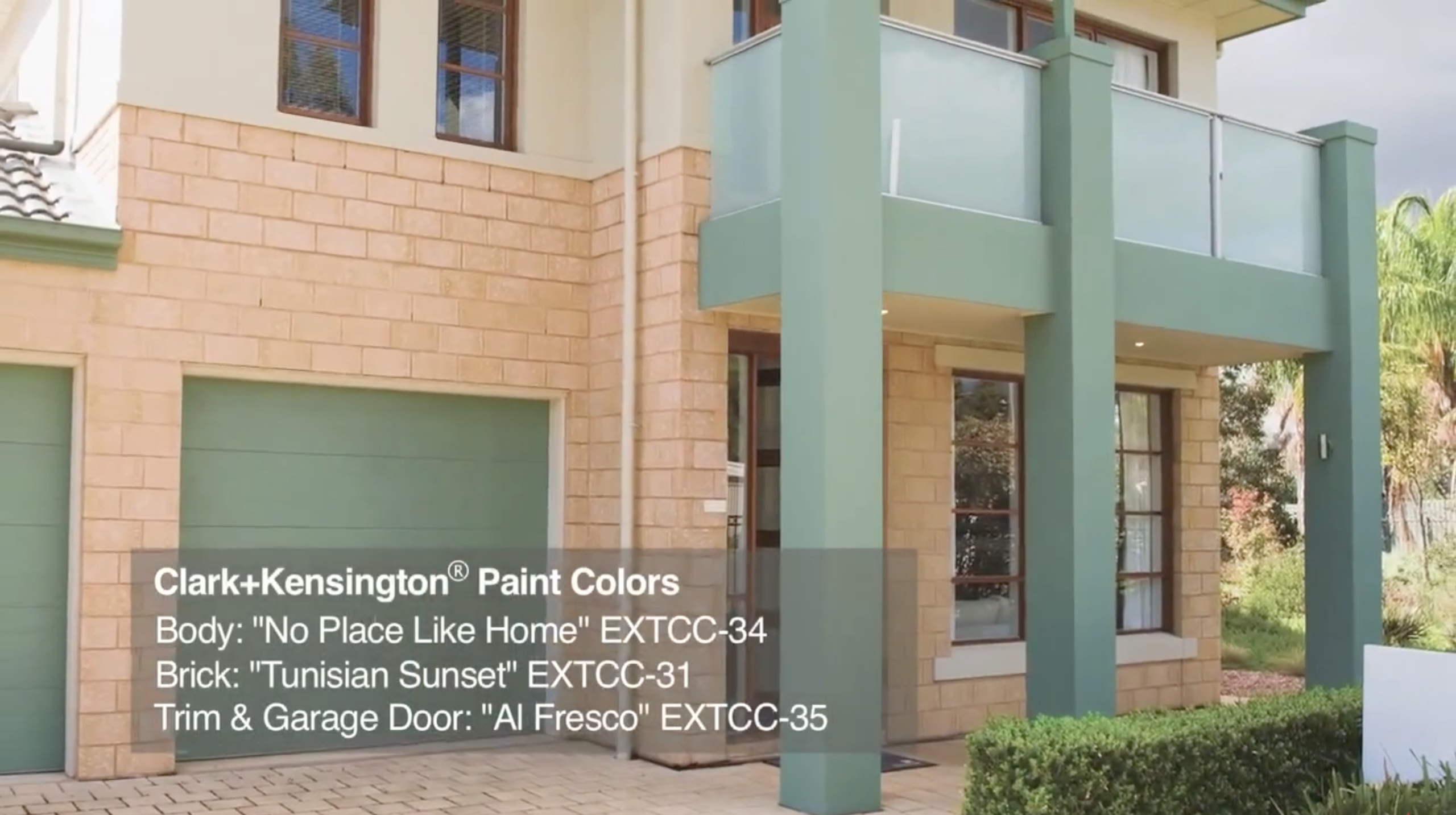
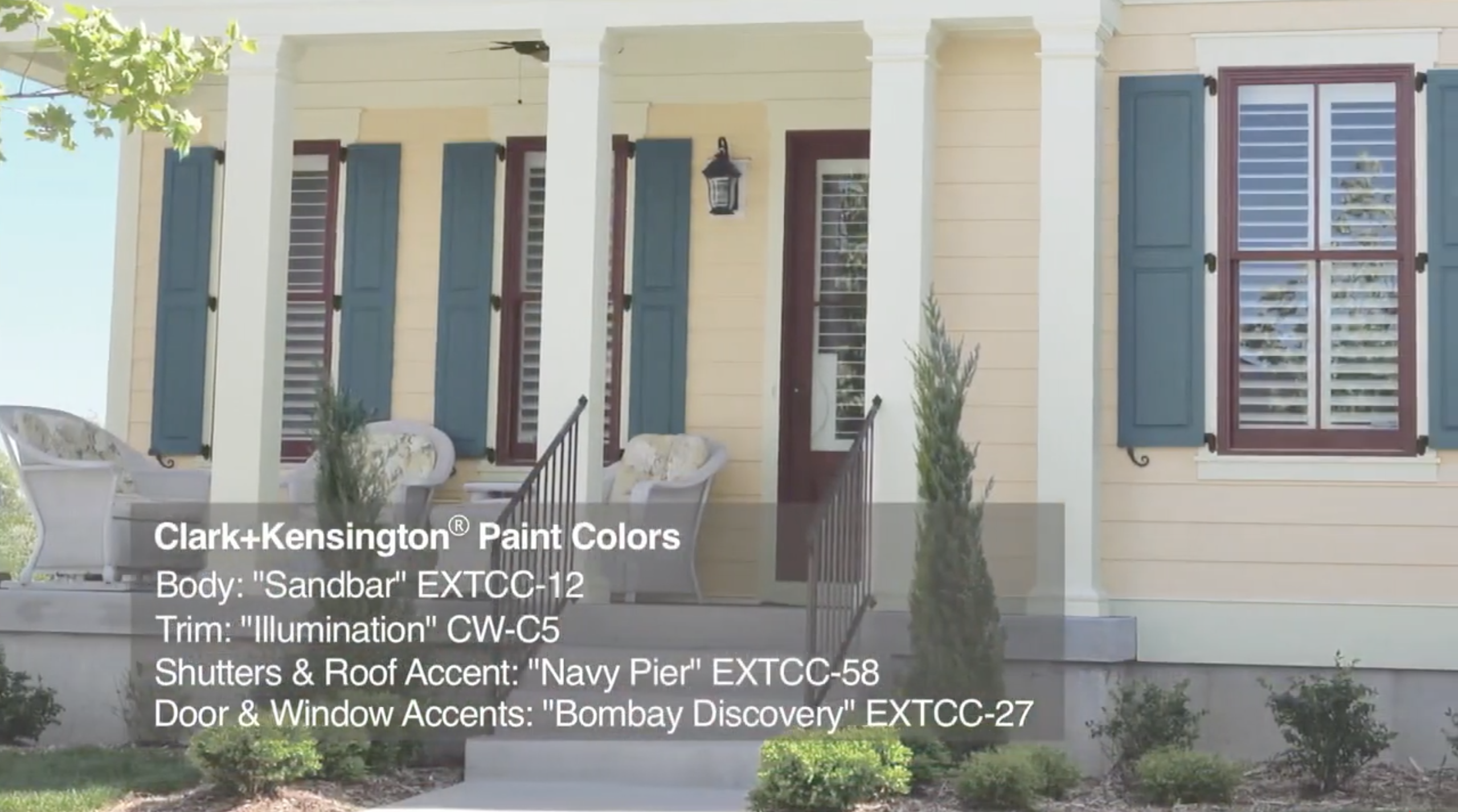
Accent colors are a great way to bring personality to your home without repainting the whole exterior. It’s a good idea to limit yourself to just 2-3 accent colors. Most homes have doors, window trim, and roof facias that look good when all painted the same color. You can add another color to highlight railings, shutters, stair treads, or other decorative features that you want to draw more attention to.
Step 4 Highlight the Front Door
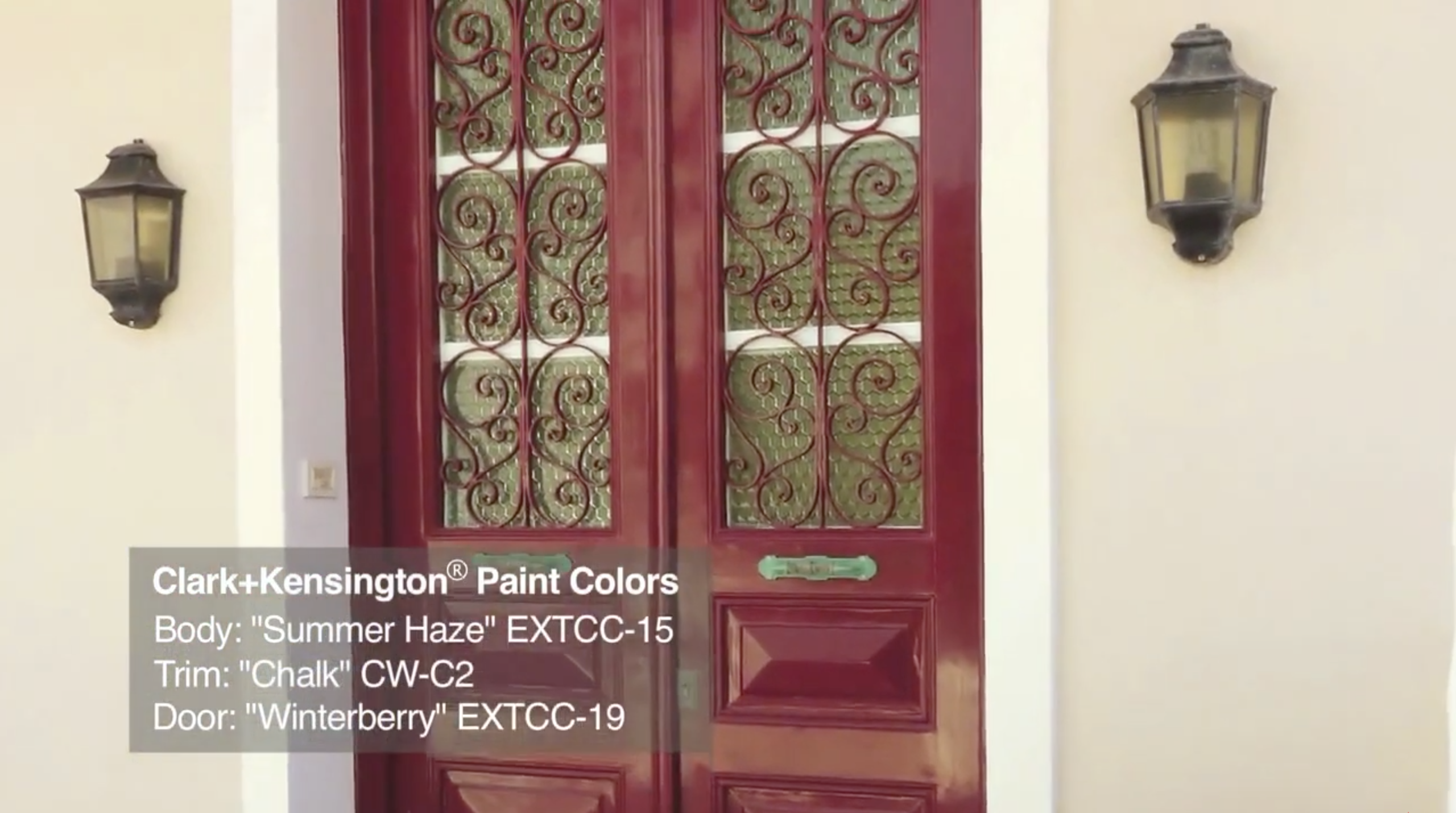
Your entry door is a great place to add a bold accent color. This is one area on your home where you can confidently use a deep, bright, vibrant color.
Step 5 Color and Lighting
Outdoor lighting can be particularly harsh and direct. It can pull out undertones in your color that you did not see at the store. For this reason, it is important to see how the colors will look in natural, outdoor lighting during different times of the day.
Step 6 Apply Samples
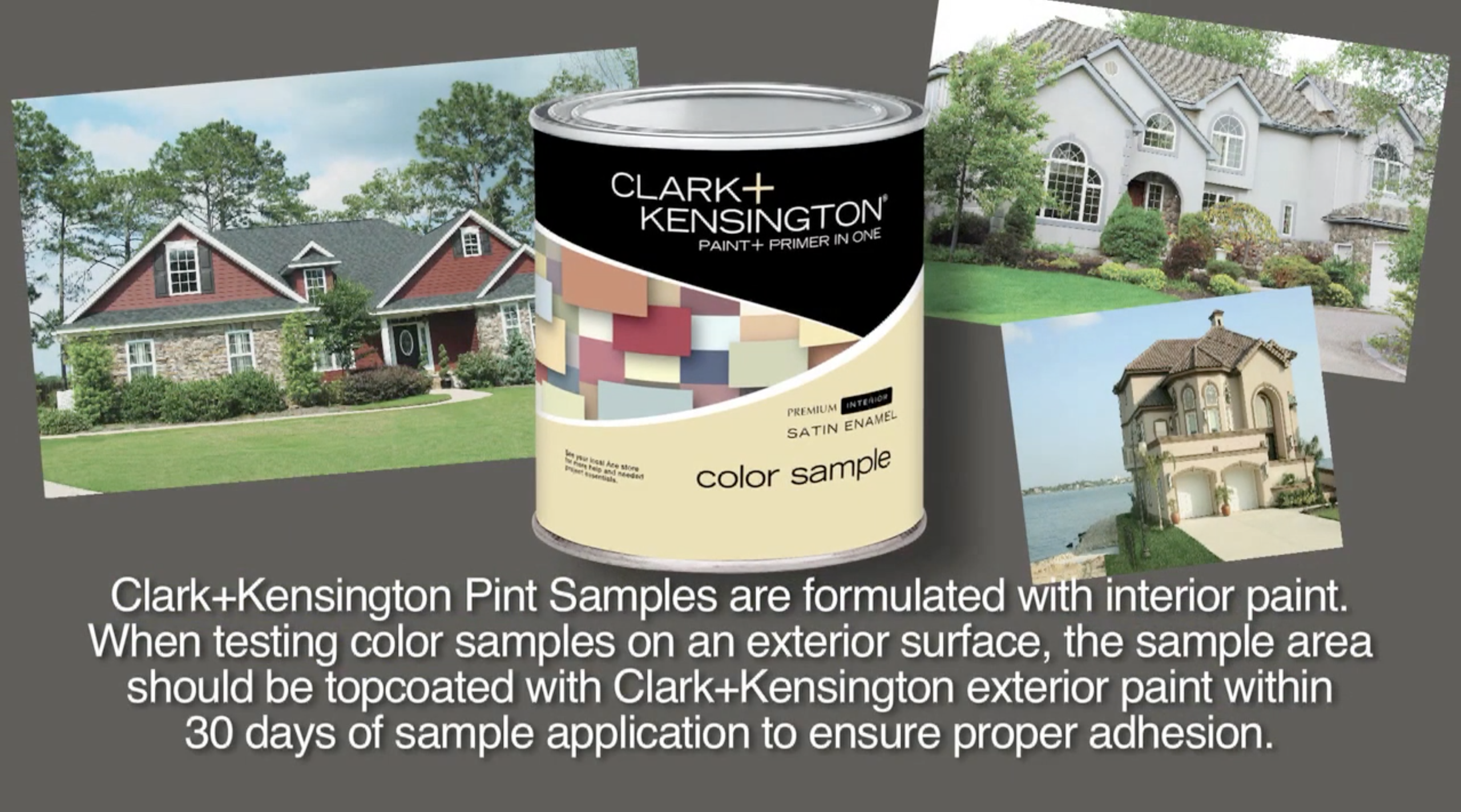
Pint samples are the perfect way to test the colors you are thinking about. Apply large swatches of the colors you are considering to the exterior of your home. You’ll see how the color will look on your home, so you can make your color choice with absolute confidence.